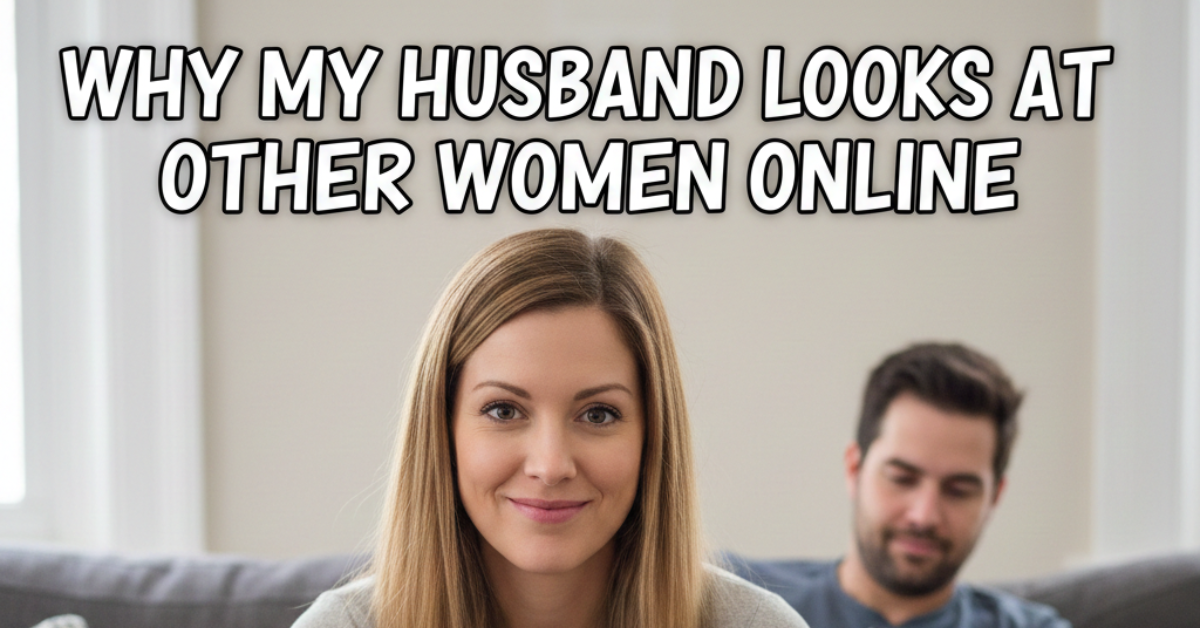
If you’ve caught yourself thinking why my husband looks at other females online, you’re not alone—and you’re not wrong for feeling uneasy about it. Social media, streaming platforms, and endless online content have made it easier than ever for people to scroll through attractive images and profiles. But the real question isn’t just what he’s doing—it’s why he’s doing it and what it means for your relationship.
This article breaks down the common reasons behind this behavior, what’s normal vs. concerning, and how to handle it without damaging your confidence or your marriage.
Understanding the Behavior: It’s More Common Than You Think
Before jumping to worst-case scenarios, it helps to understand the psychology behind online attraction.
Looking at other people online doesn’t automatically mean a lack of love or commitment. In many cases, it’s tied to habit, curiosity, or the way digital platforms are designed to keep attention.
Common reasons include:
-
Visual stimulation: Humans are wired to notice attractiveness.
-
Algorithm exposure: Social media feeds often push suggestive or attractive content.
-
Boredom or escapism: Scrolling becomes a mindless distraction.
-
Ego or fantasy: Some people enjoy harmless daydreaming without real intent.
That said, frequency and secrecy matter. Occasional viewing is different from obsessive behavior.
Why My Husband Looks at Other Females Online – The Real Reasons
1. It’s Habit, Not Intention
Many men scroll automatically without thinking much about the content. Over time, the brain associates social media with quick hits of entertainment and dopamine.
If it’s casual and open, it may be more about routine than desire.
2. Social Media Is Built to Trigger Attention
Platforms are designed to show content that keeps users engaged. Attractive images perform well, so the algorithm feeds more of them.
In other words, sometimes the platform is training the behavior—not your husband choosing it deliberately.
3. Curiosity and Fantasy (Without Emotional Attachment)
Looking doesn’t always equal emotional or physical interest. For some, it’s similar to watching a movie or celebrity content—detached and unrealistic.
The key difference:
-
Fantasy = low risk
-
Emotional connection or messaging = higher concern
4. Lack of Boundaries or Awareness
Some people genuinely don’t realize their partner finds this behavior hurtful. If you’ve never discussed it, he may see it as harmless.
Clear communication often solves more than silent resentment.
5. Relationship or Personal Issues (When It’s Excessive)
If the behavior is frequent, secretive, or escalating, it could signal:
-
Emotional distance
-
Low relationship satisfaction
-
Porn or social media addiction
-
Validation-seeking behavior
-
Stress or avoidance patterns
This is when it needs serious attention.
When Should You Be Concerned?
Not all online viewing is equal. Watch for red flags:
-
Hiding phone activity
-
Following hundreds of explicit accounts
-
Messaging or interacting privately
-
Choosing online content over real intimacy
-
Becoming defensive or angry when asked
If trust feels damaged, the issue is no longer about scrolling—it’s about respect and emotional safety.
How to Talk About It Without Starting a Fight
This is where most people get it wrong. Accusations trigger defensiveness. Calm conversations create change.
Do this instead:
-
Use feelings, not blame
-
“I feel uncomfortable when I see that content.”
-
-
Be specific
-
Mention the behavior, not his character.
-
-
Set clear boundaries
-
Example: limiting certain accounts or content.
-
-
Listen to his perspective
-
You’re solving a problem together, not winning an argument.
-
-
Agree on digital respect rules
-
Every couple needs their own online boundaries.
-
Protect Your Confidence First
If you’re constantly comparing yourself to online images, pause. This behavior often hurts self-esteem more than the relationship itself.
Remember:
-
Social media shows edited, filtered reality
-
Attraction to others doesn’t cancel attraction to you
-
Your worth isn’t measured by someone else’s scrolling
Focus on:
-
Self-care and personal confidence
-
Emotional connection in the relationship
-
Quality time and real intimacy
Confidence changes the dynamic more than confrontation ever will.
When to Seek Help
Consider couples counseling if:
-
Arguments about this issue repeat often
-
Trust is breaking down
-
There’s secrecy or emotional withdrawal
-
The behavior feels compulsive or addictive
Professional guidance helps rebuild communication and healthy boundaries.
Conclusion: What Matters More Than the Scrolling
If you’re asking why my husband looks at other females online, the deeper issue is trust, communication, and respect. Occasional viewing isn’t unusual in today’s digital world—but secrecy, obsession, or emotional distance are warning signs.
The goal isn’t to control his eyes. It’s to build a relationship where both partners feel secure, valued, and respected. Start with an honest conversation, set clear boundaries, and protect your own confidence along the way.
Next step: Explore related resources on building trust, digital boundaries in marriage, and improving emotional intimacy.
FAQs
Is it normal for husbands to look at other women online?
Yes, occasional viewing is common. It becomes a concern when it’s excessive, secretive, or affects intimacy and trust.
Does this mean he’s not attracted to me?
Not necessarily. Online attraction is often visual and detached. Real-life attraction and emotional connection are different.
Should I ask him to stop completely?
Instead of demanding, discuss boundaries together. Mutual agreement works better than control.
Is looking at other women online considered cheating?
It depends on the couple’s boundaries. Private messaging, emotional involvement, or hiding behavior may cross the line.
How do I stop feeling insecure about it?
Focus on self-confidence, limit comparisons to social media, and communicate your feelings openly.